

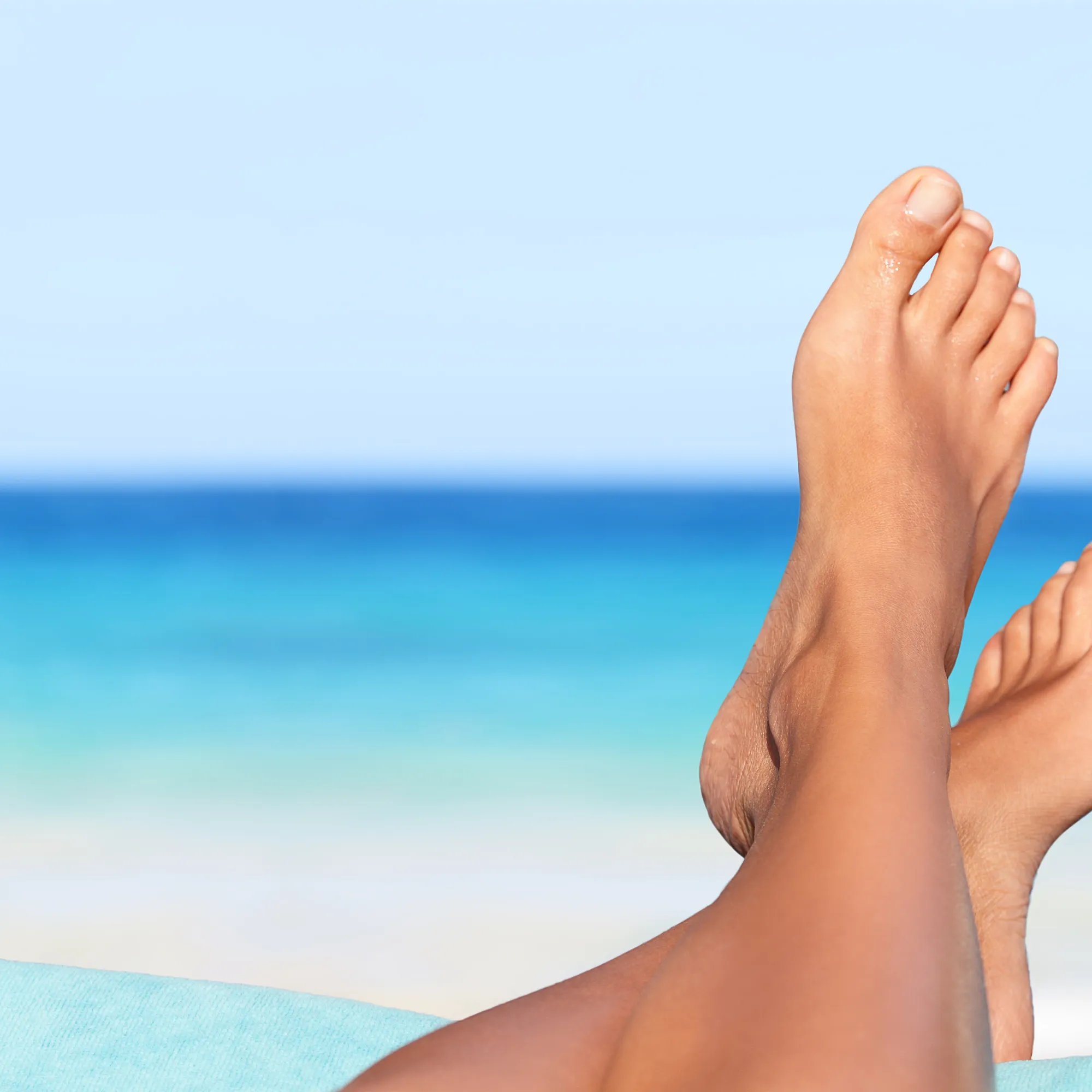
Summer is the time of year when we pay the least attention to our feet and, paradoxically, when we demand the most from them. We walk more, wear lighter footwear, and expose them to temperatures that don’t occur during the rest of the year. The result, for many people, is a combination of chafing, swelling, blisters, and odor that could largely be avoided with the right choices.
What Exactly Happens to Your Foot When It’s Hot
The human foot has more than 250,000 sweat glands — more than any other comparably sized part of the body. In the heat, those glands work at full capacity: a foot can produce between half a liter and a liter of sweat per day under intense heat conditions.
This has several direct consequences. Skin becomes macerated when it stays wet for hours, making it more vulnerable to chafing and fungal infections. Elevated body temperature also causes vasodilation: the blood vessels in the feet dilate to dissipate heat, causing the foot to increase slightly in volume. This is why a shoe that feels perfect at nine in the morning can feel tight by five in the afternoon.
Heat also softens the soft tissues of the foot, reducing natural cushioning and making the impact of walking more noticeable, especially on hard surfaces like asphalt or cobblestone.
The Most Common Problems in Summer
Chafing and blisters: These are the direct result of friction between moist skin and footwear. Sweat removes the lipid protective layer of the skin, which becomes more fragile. Footwear that works fine in winter can cause chafing in summer simply because the foot sweats more.
Afternoon swelling: As mentioned, vasodilation causes the foot to gain volume throughout the day. People who don’t normally have problems with the width of their shoes may feel pressure in their toes or on the instep from mid-afternoon onward.
Athlete’s foot and fungi: The moisture that accumulates inside footwear is the ideal environment for fungal growth. It’s not just a pool problem — it happens inside any shoe that doesn’t breathe well after several hours of use.
Odor: This is the visible consequence of everything above. The bacteria that break down sweat produce the compounds that cause odor. A material that doesn’t ventilate concentrates and retains them.
What Footwear Features Make the Difference
Breathable outer material: Natural leather is the material that best manages moisture because it allows vapor exchange between the interior of the shoe and the outside. It doesn’t eliminate sweat, but it regulates it. Synthetic materials create a closed microclimate that accelerates all the problems described. At Baerchi’s shoe factory in Fuensalida, we work exclusively with premium bovine and goat leather for exactly this reason.
Quality interior lining: The lining is the surface in direct contact with your foot for hours. A leather or technical textile lining absorbs moisture and keeps it away from the skin. A cheap synthetic lining retains it.
Enough room in the last: Since feet swell in the heat, a generous last is essential. People with wide feet or a tendency toward afternoon swelling should pay special attention: a wide-fit last for men or wide-fit for women isn’t just about comfort — it’s a matter of foot health in summer.
Anatomical, cushioning insole: Feet in summer work on hard surfaces with less natural cushioning. An insole that distributes pressure and absorbs impact reduces fatigue and prevents problems in the heel and plantar arch.
Flexible sole with ventilation: A rigid sole transfers impact directly to the foot. Flexible rubber or gum soles, with some thickness at the heel, reduce joint stress and allow a more natural gait. Baerchi’s FLEXLINE technology is specifically designed to improve flexibility and cushioning during extended use.
What to Avoid During the Summer Months
Very thin-soled shoes transfer the heat of the asphalt directly to the sole of the foot — something that in August in Spain can mean a significant temperature difference. Polished leather soles, in addition to providing less cushioning, offer no traction on wet surfaces.
Very closed footwear with no ventilation system should be saved for cooler months. If you need closed shoes in summer — as is the case in many work environments — check out our article on the best footwear for standing all day at work for guidance on what features to prioritize.
One Small Habit That Makes a Big Difference
Airing out footwear after each use — simply leaving it somewhere ventilated rather than putting it straight back in the closet — allows accumulated moisture to evaporate. This simple step extends the life of the footwear and significantly reduces the growth of bacteria and fungi inside. If you want to know how to properly store your footwear between seasons, our article on how to store shoes in summer without damage has a complete guide.
Feet don’t ask for much in summer: room to move, air to breathe, and a material that manages moisture. The right footwear makes all of that perfectly achievable.


